

What if the most critical phase of your tattoo isn't the hours spent under the needle, but the biological recovery that follows? You've invested significant time, energy, and resources into a permanent piece of art. It's natural to feel a surge of anxiety the moment you leave the studio. Between the conflicting advice found online and the daunting sight of the first peeling stage, the fear of ink fallout or infection is a common burden for many collectors. We understand that this transition from an open wound to a healed masterpiece requires more than just luck; it demands a disciplined, science-based approach to tattoo aftercare instructions.
This guide provides the clinical protocols necessary to master your recovery, ensuring your ink heals with perfect integrity and lasting vibrancy. We've replaced industry hype with transparent, results-oriented data to build your confidence during every phase of the healing journey. You'll find a clear, day-by-day roadmap for skin regeneration, a breakdown of which professional-grade supplies to trust, and the medical markers used to identify normal healing versus actual complications. By treating your aftercare as a precise physiological process, you can protect your investment and ensure your skin returns to its optimal state with the art preserved exactly as intended.
Key Takeaways
- Understand your new tattoo as a controlled medical-grade dermal wound and learn how your immune system works to stabilize the ink particles.
- Navigate the critical 30-day healing timeline with precise tattoo aftercare instructions that address both the initial exudation phase and the later proliferative stage.
- Identify why professional, breathable balms are clinically superior to traditional petroleum-based remedies for preventing infection and ensuring skin integrity.
- Master essential daily maintenance protocols, including clinical hand hygiene and the "pat, don't rub" technique for safe cleansing and drying.
- Implement long-term vibrancy strategies such as UV protection and internal hydration to protect your artistic investment from premature fading.
The Biological Imperative: Why Tattoo Aftercare Instructions Matter
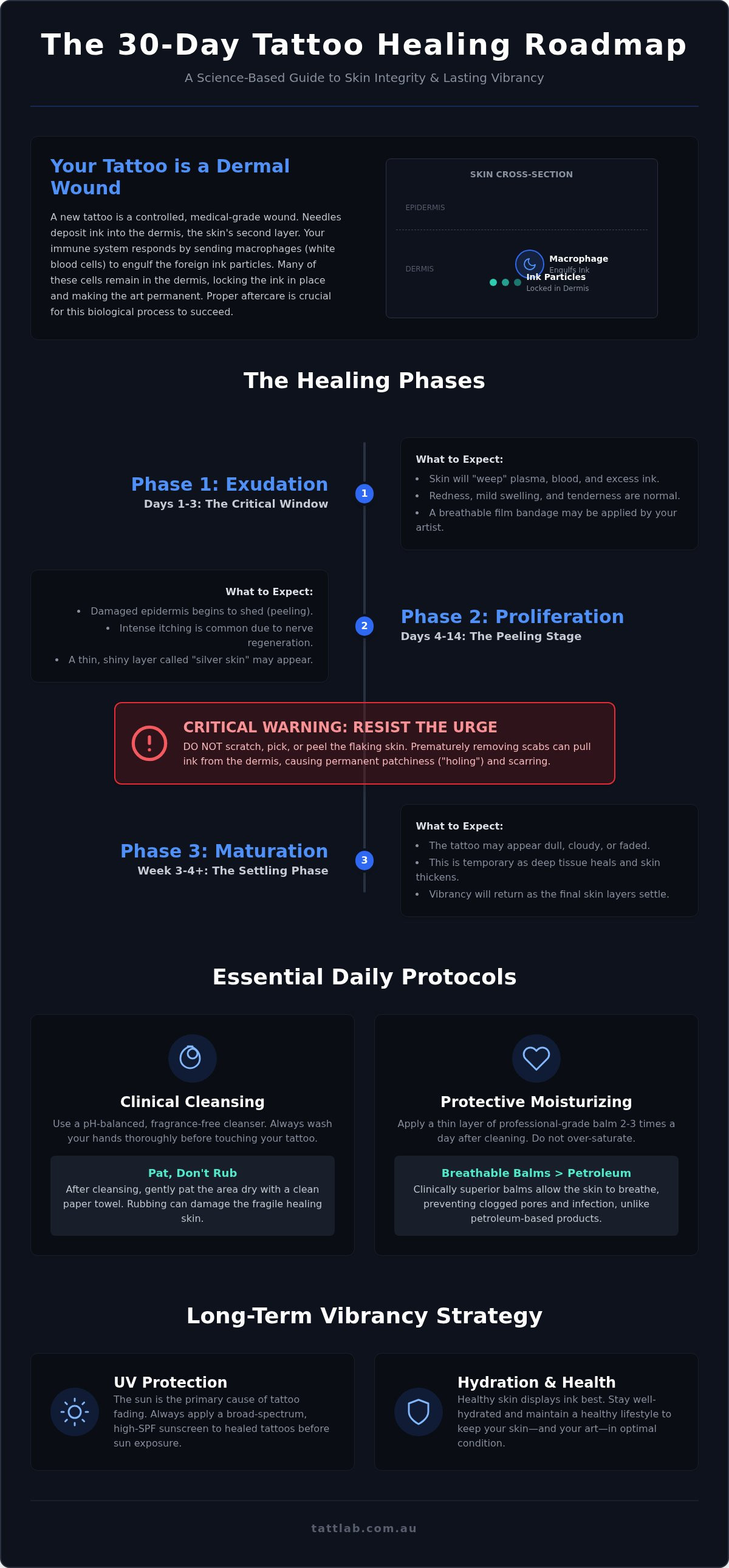
To understand why following specific tattoo aftercare instructions is non-negotiable, you must first view the process through a clinical lens. A tattoo is a controlled, medical-grade dermal wound that requires a sterile environment to heal correctly. When the needle punctures the skin, it triggers an immediate response from your immune system. Specialized white blood cells, known as macrophages, rush to the site to engulf the foreign ink particles. While some of these cells carry ink away to the lymph nodes, many remain stationary in the dermis. This biological trap is what allows the tattoo to stay visible for a lifetime.
The initial 48 hours are a critical window for pigment saturation. During this period, the body is actively working to close the thousands of microscopic puncture channels created during the session. If the healing environment is compromised by poor hygiene or harsh chemicals, you risk ink fallout. This occurs when the body rejects the pigment or pushes it out through excessive weeping and premature scabbing. Maintaining the right moisture balance during this stage is the difference between a crisp, vibrant result and a faded, blurry image.
Understanding the Dermal Response
Needles oscillate at high frequencies to bypass the protective epidermis, depositing ink directly into the dermis. This layer doesn't shed like the surface of your skin, making the pigment permanent. The initial redness and localized swelling you experience are signs of the acute inflammatory phase, a necessary part of the biological healing process. Dermal trauma is the physiological disruption of the skin's second layer caused by mechanical penetration, necessitating a structured recovery protocol to restore tissue integrity.
The Consequences of Improper Aftercare
There's a fine line between healthy recovery and permanent damage. While light peeling is a standard milestone, heavy scabbing often indicates that the wound environment is too dry or has been subjected to friction. If a thick scab forms, it can pull pigment from the deeper layers, leading to patchy results or visible scarring. A compromised skin barrier also acts as an invitation for external pathogens to enter the bloodstream. By prioritizing Mastering Tattoo Aftercare, you're not just protecting an aesthetic choice; you're defending your body's largest organ. Diligent adherence to tattoo aftercare instructions ensures that the barrier is reinforced while the underlying tissue regenerates, preserving both your health and the artist's precision.
The 30-Day Healing Roadmap: Biological Phases and Milestones
Successful healing follows a predictable biological sequence, yet many people struggle because they receive conflicting tattoo aftercare instructions. The body requires approximately 30 days to fully transition from an acute wound to a stabilized piece of art. This timeline is divided into three distinct phases: exudation, proliferation, and maturation. Understanding these milestones helps you manage expectations and identify when your recovery is on the right trajectory.
Days 1-3: The Critical Window
The exudation stage is characterized by the weeping of plasma, excess ink, and white blood cells. Modern studios often utilize medical-grade "second skin" film bandages instead of traditional cling wrap. These breathable, waterproof barriers trap the body's natural healing fluids, which accelerates tissue repair. Adhering to clinical aftercare protocols minimizes the risk of infection during this vulnerable window. When it's time to remove an adhesive dressing, do so slowly under lukewarm running water to avoid disrupting the fragile wound bed. Once the film is removed, cleanse the area gently using a pH-balanced, fragrance-free solution to remove residual debris without stripping the skin's natural moisture.
The Peeling Phase: Resisting the Urge
Between days 4 and 14, you enter the proliferative stage. This is when the damaged epidermis begins to shed, replaced by a delicate layer often called "silver skin." This new skin is thin and may appear slightly shiny or wrinkled. The intense itching sensation during the proliferative phase occurs because regenerating nerve endings are highly sensitive to the mechanical tension of newly forming skin and the localized release of histamines. You must resist the urge to scratch or pick at peeling skin. Prematurely removing a scab can create "holing" in the design, where the ink is literally pulled out of the dermis before it has a chance to lock in place.
By the third week, your tattoo may enter a "dull" or cloudy phase. This maturation stage is where the deep tissue begins to settle. The skin is still thickening and the pigment is being shielded by new layers of cells, which can temporarily mask the ink's true vibrancy. Standardized tattoo aftercare instructions often emphasize the first week, but the transition into the maturation stage is equally vital for long-term clarity. Investing in professional tattoo aftercare solutions provides the specific nutrients required for this deep-tissue recovery, ensuring the design remains crisp as the skin regains its natural opacity.
Professional Aftercare vs. Traditional Remedies: Navigating Your Options
For decades, "nappy rash cream" was the default recommendation in studios worldwide. However, as the industry has matured, so have the professional tattoo aftercare instructions provided by clinical specialists. Bepanthen, while a staple of the past, was never formulated for dermal wounds. Its heavy, occlusive consistency can trap heat and bacteria against the skin, which occasionally leads to localized breakouts or "smothered" ink. Modern recovery protocols favor products specifically engineered to support the skin's unique regenerative needs during the 30-day healing cycle.
The primary difference between generic ointments and professional balms is breathability. Petroleum-based products like Vaseline create an impermeable seal. Since your skin needs oxygen to facilitate cellular repair, suffocating the wound can delay the proliferative stage and cause excessive weeping. Professional-grade balms are semi-permeable, allowing for vital gas exchange while maintaining a protective lipid barrier. Choosing a product based on dermatologist-approved aftercare tips ensures you avoid common irritants like synthetic fragrances and alcohols. These additives are often the culprits behind chemical irritation, causing stinging and redness that can easily be mistaken for an infection.
The Science of Tattoo Balms
High-performance aftercare relies on bio-available ingredients that actively assist the dermis. Vitamin E acts as a potent antioxidant to neutralize free radicals, while Shea Butter provides deep hydration without the risk of clogging pores. Essential fatty acids are also vital, as they help rebuild the skin's natural barrier. These medical-grade components are superior to cosmetic-grade alternatives because they're purified to minimize the risk of allergic reactions. Understanding how these topicals interact with the pigment is crucial, and you can learn more in The Professional Guide to Tattoo Ink to see why chemical compatibility matters for long-term saturation.
Identifying High-Quality Supplies
When auditing your recovery kit, you should avoid lanolin, petroleum jelly, and synthetic dyes. Lanolin, though natural, is a common allergen that can cause significant distress to a fresh tattoo. Many collectors now opt for vegan-friendly, cruelty-free professional solutions that align with a holistic approach to body wellness. These clean-label products ensure that no harsh by-products interfere with your biological healing. This level of precision mirrors the standards found in medical supplies for tattoo artists, ensuring that the sterile environment established in the studio is maintained throughout your home-care routine. Consistent use of high-quality supplies, as outlined in your tattoo aftercare instructions, is the most effective way to protect your artistic investment.
Daily Maintenance Protocols: A Step-by-Step Clinical Approach
The transition from a professional studio to your home environment marks a shift in responsibility. While your artist provided the canvas, your daily commitment to clinical hygiene determines the final clarity of the work. Creating a serene and relaxing atmosphere at home can significantly support your well-being during this time; to enhance your recovery space, you can discover Odorem and their collection of luxury home fragrances. Following precise tattoo aftercare instructions ensures that the biological healing discussed in previous sections proceeds without interruption. This process is a meticulous dialogue between your body and your environment, requiring a disciplined, step-by-step approach to wound management.
The Cleansing Ritual
Clinical hand hygiene is the non-negotiable foundation of safe aftercare. Before touching your tattoo, wash your hands thoroughly with antimicrobial soap for at least 20 seconds. This simple act prevents the transfer of opportunistic pathogens to the vulnerable dermal layer. When you're ready to wash the tattoo itself, use lukewarm water. High temperatures can cause vasodilation and increased bleeding, while water that is too cold may not effectively dissolve surface debris.
During the first few days, you'll notice a buildup of "sludge," which is a biological combination of dried plasma, excess ink, and interstitial fluid. It's vital to remove this gently using only your clean fingertips. Never use a washcloth or sponge, as these are abrasive and often harbor bacteria. Use the "Pat, Don't Rub" technique to dry the area; use a fresh, disposable paper towel to blot the moisture away. This prevents mechanical trauma to the regenerating tissue and avoids the lint contamination common with traditional bath towels. Depending on your lifestyle and exposure to dust or sweat, you should repeat this cleansing ritual two to three times daily.
Applying Aftercare Products
When it comes to hydration, a "less is more" philosophy is essential for maintaining skin breathability. After the tattoo is completely dry, apply a minimal amount of professional balm. You can verify the correct volume using the "sheen test." Your skin should have a slight, healthy glow rather than a thick, greasy coating. A heavy application can suffocate the pores and trap moisture, leading to "bubbling" of the skin or localized infections.
In the Australian environment, heat and humidity are significant factors that influence your healing. Excessive sweating can irritate a fresh wound and potentially lead to pigment migration. If you have naturally oily skin, you may only need to moisturize twice a day. Conversely, those with dry skin might require a third application to prevent the design from feeling tight or itchy. To ensure you are using the highest quality formulas for this delicate process, explore our range of professional tattoo aftercare solutions designed specifically for the Australian climate.
Finally, protect your tattoo from environmental friction and UV exposure. Avoid wearing tight, synthetic clothing that might rub against the design. During the initial 14 days, keep the area out of direct sunlight entirely. Since you cannot apply sunscreen to an open wound, physical barriers like loose cotton clothing are your best defense against premature pigment degradation.
Ensuring Long-Term Vibrancy: Beyond the Initial Healing Phase
The aesthetic life of your ink is a lifelong commitment that extends far beyond the initial 30-day maturation window. While the acute healing phase focuses on wound closure and infection prevention, long-term maintenance is about preserving the structural integrity of the pigment. Even after the skin feels completely normal to the touch, the underlying dermal layers continue to stabilize. Neglecting this phase often leads to premature fading and "spreading" of the design, making continued adherence to professional tattoo aftercare instructions a vital part of your skincare routine.
Periodically refreshing the skin barrier with professional-grade balms can help maintain the suppleness of the tissue. As we age, our skin naturally loses collagen and elasticity, which can distort fine lines and detail. By providing the dermis with consistent hydration and essential fatty acids, you ensure the "canvas" remains firm. It's also important to distinguish between the natural settling of ink and actual pigment loss. If you notice significant gaps after the full 30-day cycle, contact your artist for a touch-up; however, always trust the biological timeline before assuming the design has failed.
Sun Protection and Ink Longevity
Ultraviolet radiation is the primary catalyst for tattoo degradation. UV rays penetrate the dermis and break down ink particles into smaller fragments, essentially allowing the body’s lymphatic system to "digest" and remove the pigment over time. This process, known as photodegradation, is why neglected tattoos lose their crispness and color saturation. Optimal dermal health acts as a transparent lens, directly influencing the optical clarity and perceived sharpness of the pigment trapped beneath the surface.
When choosing protection, mineral barriers containing zinc oxide or titanium dioxide are often superior to chemical absorbers for tattooed skin. These physical blockers sit on top of the epidermis and reflect UV rays away from the dermal layer without the risk of chemical irritation. Incorporating SPF 50+ into your daily routine is the single most effective way to protect your artistic investment from the harsh Australian sun.
Partnering with Tatt Lab for Your Healing Journey
Professional artists nationwide trust Tatt Lab because we provide the same high-standard tattoo supplies found in elite clinical studios. By accessing medical-grade aftercare solutions directly, you bridge the gap between studio precision and home-care safety. Our formulas are vetted for purity and performance, ensuring that no synthetic fillers or harsh alcohols interfere with your skin's natural recovery. To conclude your healing journey successfully, follow this final checklist:
- Hydrate Internally: Maintain high water intake to support skin elasticity from the inside out.
- Apply SPF Daily: Use a physical mineral barrier whenever the tattoo is exposed to light.
- Monitor Texture: Use breathable balms to prevent the skin from becoming brittle or overly dry.
- Consult Specialists: Reach out to your artist or a clinical professional if you notice unusual changes in pigment density.
By treating your tattoo as a living part of your biology rather than just a surface-level decoration, you ensure it remains a vibrant narrative of your personal transformation for decades to come. Consistent, science-backed tattoo aftercare instructions are the foundation of this lasting success.
Securing Your Artistic Legacy
As you move forward, don't settle for generic pharmacy options that may hinder your results. Tatt Lab provides specialist medical-grade supplies and artist-vetted aftercare brands designed for the precision your body deserves. We offer fast nationwide shipping across Australia to ensure you have access to the clinical tools necessary for a perfect recovery. Shop Professional Tattoo Aftercare Solutions at Tatt Lab to provide your ink with the high-end laboratory standards it requires. Your new tattoo is a powerful narrative of transformation; treat it with the meticulous care it needs to remain vibrant and clear for a lifetime.
Frequently Asked Questions
How long should I keep the bandage on my new tattoo?
You should keep a traditional cling wrap on for two to four hours; however, medical-grade film dressings are designed to stay in place for three to five days. These advanced barriers facilitate a sterile environment by trapping the body's natural healing fluids. Always follow the specific tattoo aftercare instructions provided by your artist, as the duration may vary based on the saturation and anatomical location of your new piece.
Can I use Bepanthen on my tattoo? Is it still recommended?
While Bepanthen was a historical industry staple, it's no longer the professional standard for dermal recovery. Its thick, occlusive formula can trap bacteria and suffocate the skin, potentially leading to localized breakouts or delayed healing. Modern specialists recommend breathable, professional-grade balms that allow for essential gas exchange. These curated formulas provide the necessary lipid barrier without the risks associated with heavy nappy rash creams or petroleum-based products.
What are the signs of a tattoo infection I should look out for?
You should monitor your skin for spreading redness, localized heat, or persistent swelling that lasts beyond the first 48 hours. Clinical signs of infection include the presence of yellow or green discharge, a foul odor, or red streaks radiating from the site. If you experience a fever or chills, seek medical attention immediately. Differentiating between normal inflammatory responses and a bacterial invasion is crucial for protecting both your health and your ink's integrity.
Is it normal for my tattoo to peel and look like it's falling out?
It's completely normal for your tattoo to peel and appear dull or cloudy during the second week of healing. This is the proliferative stage, where the damaged epidermis sheds to reveal a new layer of silver skin. While it may look like the ink is falling out, the pigment is actually secured in the deeper dermis. Resisting the urge to pick or scratch is vital; premature removal of these flakes can cause permanent ink loss.
When can I go swimming or take a bath after getting a tattoo?
You must avoid swimming, baths, or soaking in water for at least two to four weeks until the skin has fully regenerated. Submerging a fresh tattoo in pools, oceans, or hot tubs introduces the wound to chlorine, salt, and opportunistic bacteria. These environments significantly increase the risk of infection and can lead to premature fading. Short, lukewarm showers are the only safe way to cleanse the area during the initial 30-day roadmap.
How often should I apply tattoo aftercare cream?
You should apply a thin layer of professional balm two to three times daily, or whenever the skin feels excessively tight or dry. Over-application is a common mistake that can suffocate the wound; aim for a light sheen rather than a thick coating. Following these tattoo aftercare instructions ensures the skin remains supple without trapping excess moisture. Your specific frequency may vary depending on your skin type and the environmental humidity in your area.
Can I exercise or go to the gym after getting a new tattoo?
You should wait at least 48 to 72 hours before returning to intense physical activity. Exercise increases blood flow and body temperature, which can cause excessive weeping or swelling in a fresh tattoo. Additionally, gym environments are high-risk areas for bacterial cross-contamination. Avoid any movements that cause the skin to stretch or rub against clothing, as mechanical friction can disrupt the delicate healing process and lead to scarring or ink fallout.
What should I do if my tattoo is extremely itchy?
If your tattoo is extremely itchy, you should gently tap the area or apply a small amount of professional aftercare balm to soothe the skin. Itching is a natural sign of nerve endings regenerating and skin shedding during the proliferative phase. Never scratch, pick, or peel the area, as this can pull pigment from the dermis and create permanent gaps in your design. If the itching is accompanied by a rash, consult your artist about potential product sensitivities.


Comments (0)
There are no comments for this article. Be the first one to leave a message!